Blog

No me auto

On the quest to maintain autonomy as Freedom, as the driver for privacy.

First, a picture:
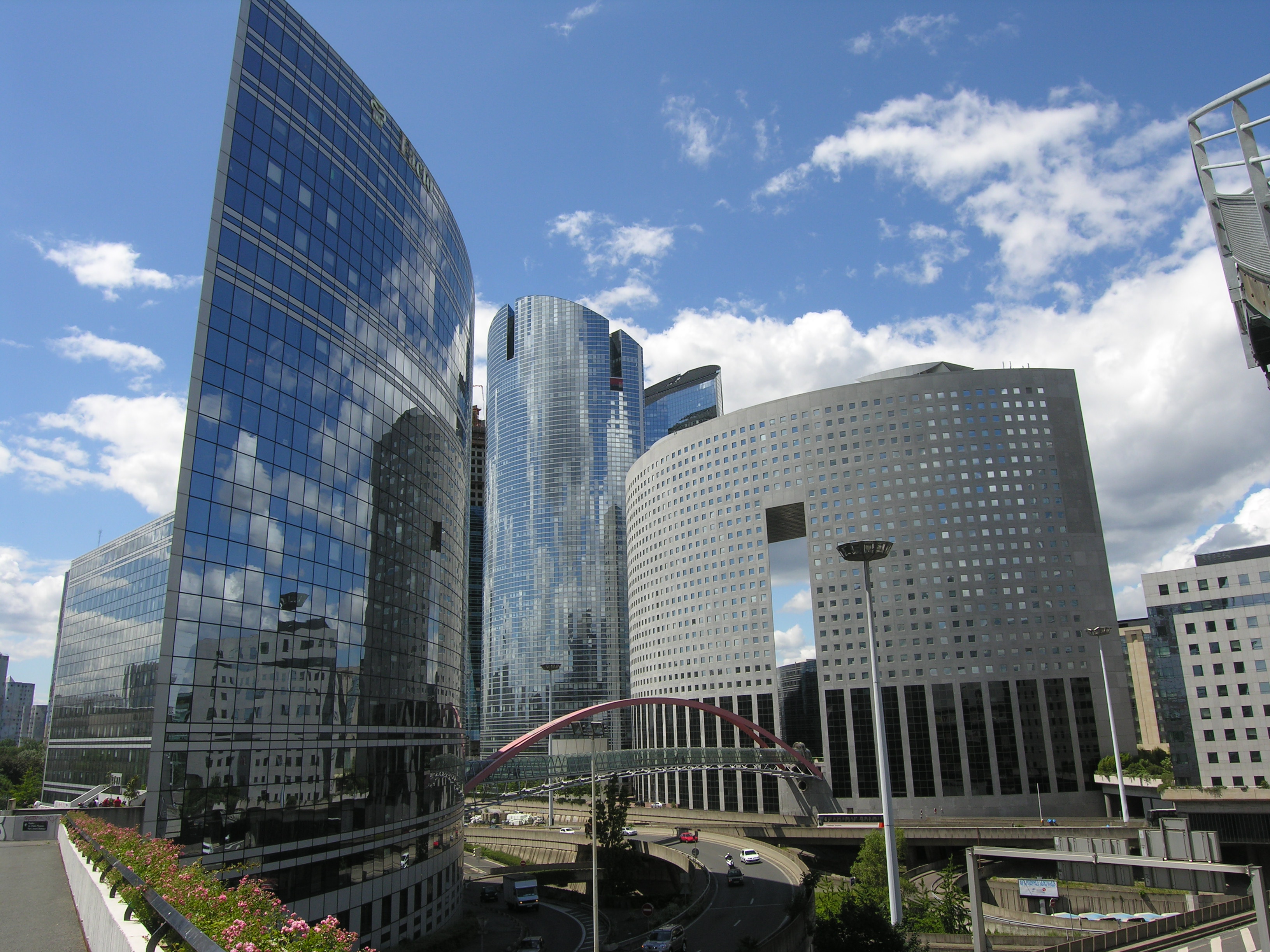
DSCN1118
[Oh look, a fig leaf of green, so this isn’t Metropolis at all (…?)]

Yes, indeed. I was triggered by the ‘blessings’ that Big Data may deliver in e.g., health care, where Watson-like doctors may deliver more accurate diagnoses that humans might. IF, big if, they’re fed with the right information. Restraint will not be in the system.
But, moreover, it is not the emotionless (?) machine we fear; it’s the loss of control. A human would interact; a machine, well, wouldn’t have need for that as it’s ‘always’ better than a human, and shouldn’t be second-guessed. A human doctor we can still distrust even if posing as an authority.

In there is our fear: The loss of control. The loss of autonomy.

Prisoners don’t fear guards as long as the latter just act normal. Because then, the latter are drones that actuate the System, the bureaucracy that is the Power That Be. Abusive guards, overstepping their (‘minimal’) power, lose that authority and are just Evil.

Humans fight bureaucracies because of the loss of autonomy that these bring.
Ever since Man (F/M) became aware of his autonomy in the dangerous environment, she has strived for control over that uncontrollable Nature beast. Most of all, by growing a pair, of brain halves, to a size so huge that pattern recognition leading to predictive analysis was bound to spring up. If only one could predict Nature, then one would have power over it because nothing surprising would happen. And then, one could do less fleeing, a bit more fighting and feeding, and much more of the Four F’s ‘F-for-reproducing’.
Ever since Man (M/F) started to cooperate in groups, there was a balance of sacrifice of autonomy, independence and efforts as inputs versus gains from cooperation.

And now, with the übercomplexity of society having passed a threshold somewhere in the mid-19th century, there is no room, no dream, for escape anymore. Until then, there was sufficiently vast terra incognita’s, (near-)unoccupied inhabitable lands, that there was always the alternative, however distant in achievability, of quitting the Contrat Social. Or, as before, societies weren’t overly complicated (for: ), one could start a revolution, or so. To get the non-autonomous together and with their combined muscle- and brain-force, get all to be free again. Until then, there was no notion of privacy, but it did result quite quickly (well, in line with the speed of societal development that then was also seen as being high…).

Which also ties in with the overwhelming Big Corp (Google, the Second Tier, and the rest) dominance over governments is steering our societies as these integrate. These uncontrollable beasts go far beyond what ‘democratic’ geography-tied national authorities pull off. Pulling both the TLA-agency snooping (automated trawling for patterns; no humans involved! but that’s exactly where the (above) fear comes in: uncontrollability as it’s too much, too fast, too abstract to be tractable for humans…!) and the loss of copyright over one’s own data (production) into the picture. The latter, as in this most recommendable book.

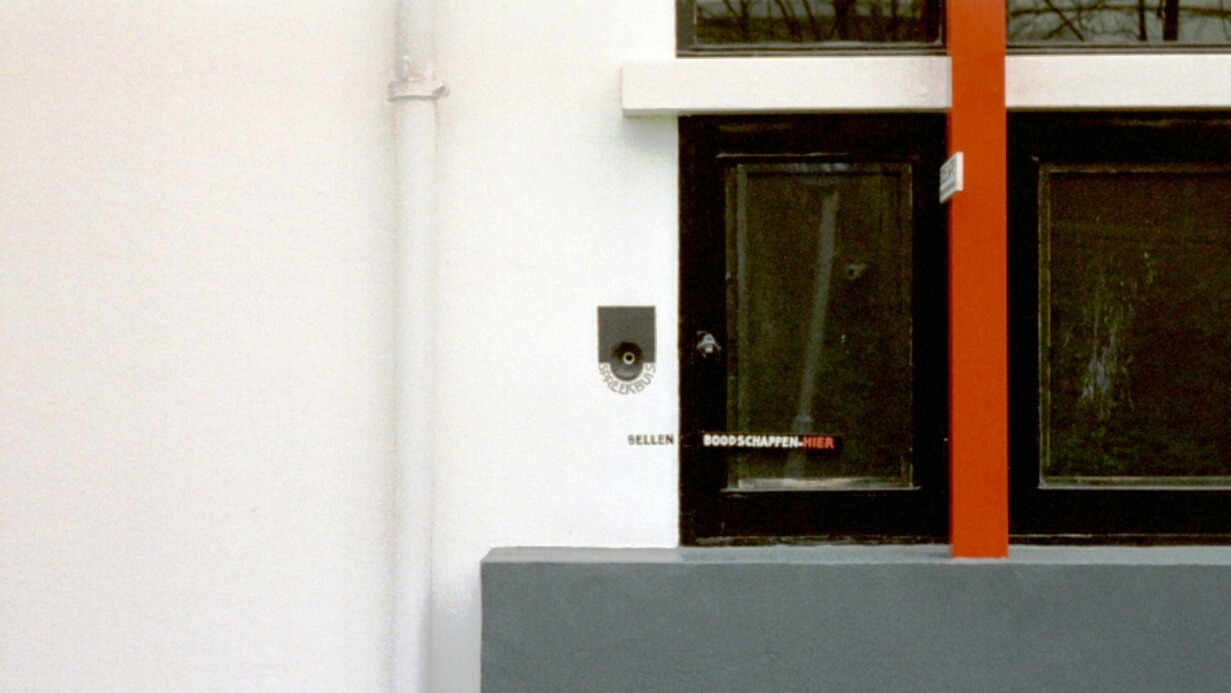
[Bell for a relevant intermission]
Or … this; around 0:37- but the whole thing isn’t too long and needed for full understanding – yes indeed if that was The Message, then it is, still, for all.
[We’ll continue the show]
Continue reading “No me auto”

Two books, by Quote

DSCN2791
[Old? But somehow, still functionally Good, it seems, it looks; Lille]

Yet another ‘Book By Quote’ then (An attempt to subjectively summarise a book by the quotes I found worthwhile to mark, to remember. Be aware that the quotes as such, aren’t a real unbiased ‘objective’ summary; most often I heartily advise to read the book yourself..!).
And because you’ve been such a nice audience [still countable on the fingers of one hand], you’ll get a double treat; two books by quote in one go. One in English, one in Dutch, even.

So, this time, first up: Alan Lightman, The Accidental Universe, Pantheon Books, 2013, ISBN 9780307908582

Physicists call it the second law of thermodynamics. It is also called the arrow of time. (p.26)

Yet despite all the evidence, we continue to strive for youth and immortality, we continue to cling to the old photographs, we continue to wish that our grown daughters were children again. Every civilization has sought the “elixir of life” – the magical potion that would grant youth and immortality. In China alone, the substance has one thousand names. (p.28)

To my mind, it is one of the profound contradictions of human existence that we long for immortality, indeed fervently believe that something must be unchanging and permanent, when all of the evidence in nature argues against us. (p.34)

Continue reading “Two books, by Quote”

All newld

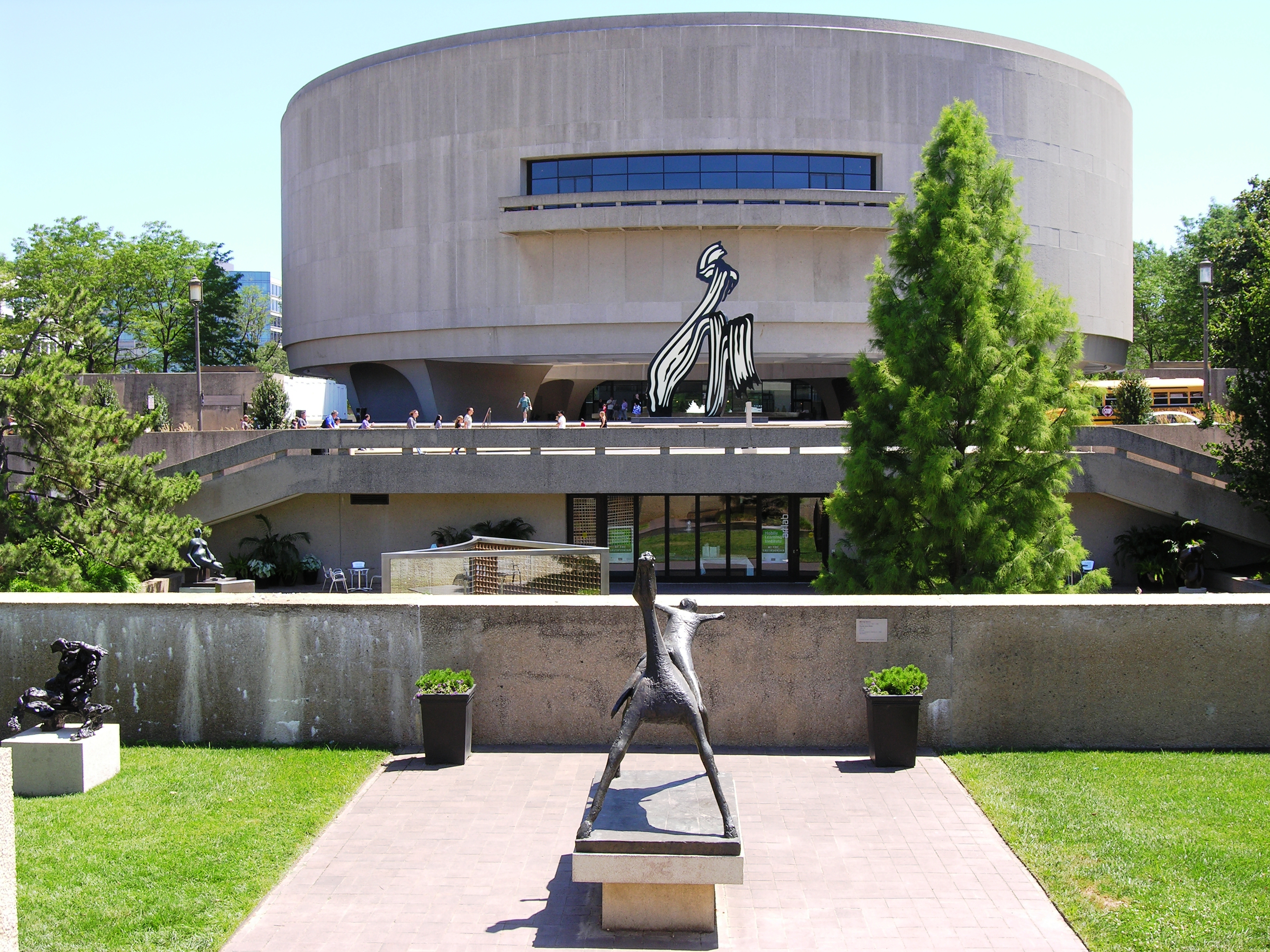
DSCN5522
[As in: Modern museum, aptly]

Just some note. Suddenly realised why the upcoming, near, Singularity is such a big deal:
It will change the way the world turns. It will no longer allow the New to be adopted…! It will require all old to be abandoned as fast as possible, not retaining anything of the Old that was good.

Of course, we still have classic stuff, and have not yet fulfilled all dreams, but up till now, we have always have progressives to embrace the New while the ‘conservatives’ wait for proof the New is actually better than the Old. (And reactionaries just don’t want to try or test anything new.)

With the Singularity, there may not be such a thing anymore as nostalgia and valuing the Things of Yesterday. We’ll have the newest of the newest only; all things less than perfectly new are a waste. So that is where all the grand (hard pastel) sketches of the bright future all fail, quite consistently: In them, there is nothing left of the past, nothing cared for as remembrance of where we came from, nothing from our youths to remind us of the finitude of our lives. Which means we’ll make all the errors ever more clearly and wholesale’ly [better word?], over and over again, in the end certainly erring to the side of killing humanity and/or the planet; if we’re at it, why not go all the way, right?

And if we don’t, the Singularity, or Matrix, will do it for us.

T-Rend Not Found

DSCN3994
[How to call this, politically correct..?]

Uhm, would anyone have a serious overview of security trends as they unfold this year ..? So far, there’s nothing but a handful of incidents. Or is my memory just insufficient …

Anyway, I’d really like to at least have some classification scheme whereby we can bin various news items. “Antivirus is useless since it’s reactive and too slow for the rapid morphing of fingerprints” versus “Heuristics and profiling [secondary signatures?] solve this, as does upping the effort; unprotected neighbours go down first, please” would go into the Basic Endpoint Protection bin, for example. Privacy would be a similar bin. But who has a useful (sic) partial taxonomy or tree ..?

Kennis-werkers?

Short post, long read (in Dutch): Surprisingly valid, all the things I dreamt up in 1994 … this paper on Kenniswerk, in particular from page 13 on – but the rest, is also still valid and very worthwhile reading when I may say so.
And a picture for your viewing pleasure…:
005_21 (2)
[Where? No contest.]

Die Information

DSCN5494
[Twisting by the pool]

Claim. There needs to be some seminal work of economics on the thing that follows Labour and Capital, being Information. And how societal structures are impacted. I will write that book. Someday. And/or, sooner, when (not if?) you fund me through some crowdfunding scheme. After Das Kapital, a new wave.

Short link: Brain laser

Michio Kaku predicts we’ll send our minds into space via laser in this piece.

If we’re capable of that, there more probably will be no ‘us’ or ‘our minds’ anymore. We’ll reach Singularity (have passed the S point) already some time before that; dystopian version.

Oh well, here’s a picture for your viewing delight:
DSCN2558
[Your viewing delight ..!? in Riga]

Maverisk / Étoiles du Nord