Just as a note.
The world of wine sees global consumption levels drop quite a bit from previous peaks – following patterns for other alcoholic beverages though not as much.
Various reasons have been investigated, and data on possible rebound( avenue)s published. Agressive disinformation by (quasi-religious) teetotaller revivalists on health (no, wine is medically proven to be health-enhancing when taken in moderation, even more when enjoyed around/during dinner time) is one of the most-cited reasons. Cost can’t be an issue since the cheapest wines are still … insultingly low rock-bottom prices even after all the inflation years/decades. Many markets seeing ‘youth’ staying with their parents that much longer, not living the independent wild life as many years as we used to, maybe, too.
To which I would like to note another possible reason: The explosion of locality. Which may be pitched as The solution against brand dilution, e.g., in France, but globally …
Once, there were only a handful of countries to know (and a great many of the few actually involved, knew what a Saint Bris would stand for, no need to know individual wine makers from there as real connoisseurs would, or know all vintages by heart as the wannabees would have crammed).
Then, there was the arrival of the New World. And then, one knew all the Aussies in one go. One sea of sameness.
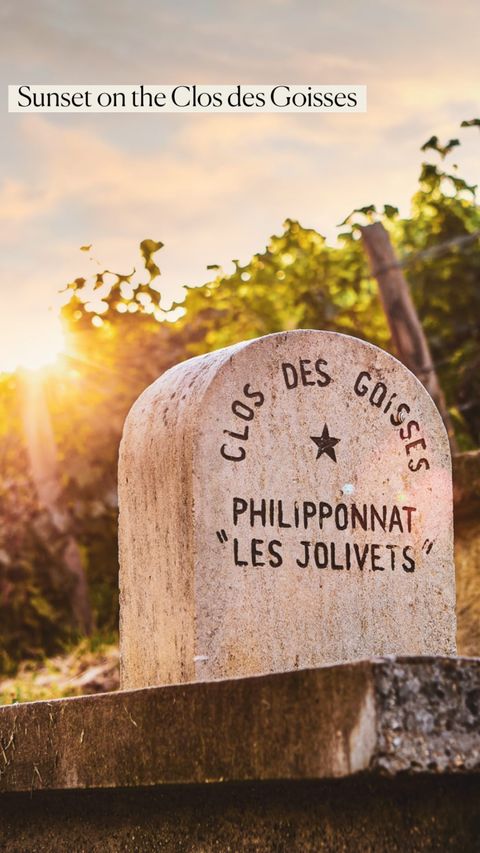
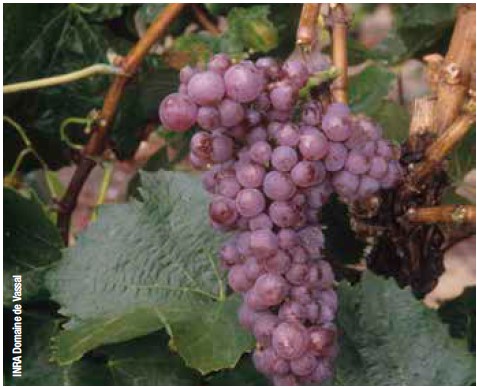
Now, even moderate knowledge levels require to know a Torrontés from a Poulsard, to know a McMinnville from a Yamhill-Carlton, to be able to pronounce Larmandier-Bernier effortlessly & dash; just picking a simple one for demo; skipping the desire to flaunt (my) Montgueux interest. The average-‘rare’ are far from it, nowadays. The …forsaken have been taken, for an upswing.
OK, I made that one up. I hope but don’t know if thusmentioned grapes really are back sufficiently to spread their word/worth. But one can start digging in.
But which means that anyone who enters the world of wine beyond cheap plonk, now has such a vast world to learn and explore even for a holiday trip instead of threading in Here Be Dragons – ah, China, yet another huuuuge terrain to cover even if barely.
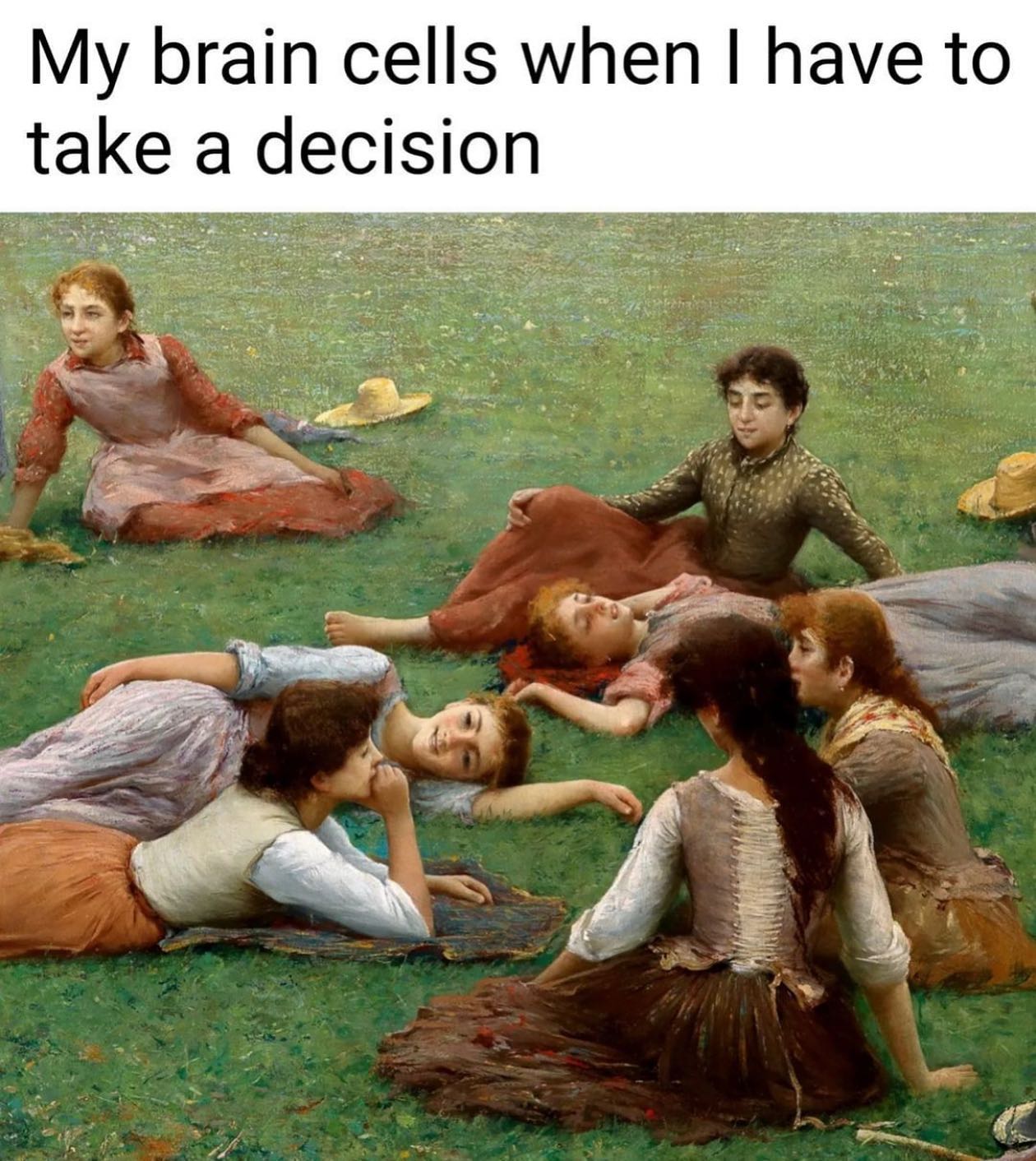
Discouragingly.
And with the nowadays much more many in-between connoisseurs (and wannabees; let’s not exclude myself) displaying ever more detailed, learned hardly to that extent experienced, knowledge of all sort of minutiae of whatever they can rattle off, we forget the more philosophical enjoyment wine can bring.
Discouragingly.
Can we do something about this? I’m unsure.
But as a start, pushing each and every winemaker to tout their individuality over locality-/regional recognisability may not be wise. Education-wise, we may need to consider whether purely tasting and appreciating may need a revival. Aroma interpretation (labeling) of any single compound already varies wildly; culturally (what in his name is a boysenberry? [But why don’t people know a thing about the wonderful merits of Mirabelle ..!?] What is kumquat? Please decipher this. Also, refrain from mastery. As in: If anyone tastes green paprika (‘bell pepper’ for simpletons), do not say that it can’t be because Cab Franc isn’t there. Better recognise their refinement i.e., such low threshold for any of the mass of different pyrazines that exist and which apparently elude you.
Is it not wise to tone this down a bit, to start off with learning about one’s individual palate and realise all one’s specific (partial) anosmia’s plus learn about the general appreciation of the cultural ‘place’ of wine? So, another combi of the basic, the core and the other-dimension/subfield directed learning as a program may help. Approachable, open and non-exclusivity-oozing, and friendly. Wine as a phenomenon deserves it.