Welcome to Hotel SV

Just a short note; tinkering with more ‘cybersecurity’ songs (to support (or not) #ditchcyber), I came across the following snippets…:

“Welcome to the Hotel California”
“Such a lovely place”
Such a lovely face
Plenty of room at the Hotel California
Any time of year
You can find it here”

“Bring your alibis”

“Mirrors on the ceiling”

And she said “We are all just prisoners here, of our own device”

Last thing I remember, I was
Running for the door
I had to find the passage back
To the place I was before
“Relax, ” said the night man,
“We are programmed to receive.
You can check-out any time you like,
But you can never leave!”

How’zat (sorry (no I’m not Canadian) USofA, culturally you’re still 99% British so you should get that reference) for the famous search engine’s approach ..?

And, of course:
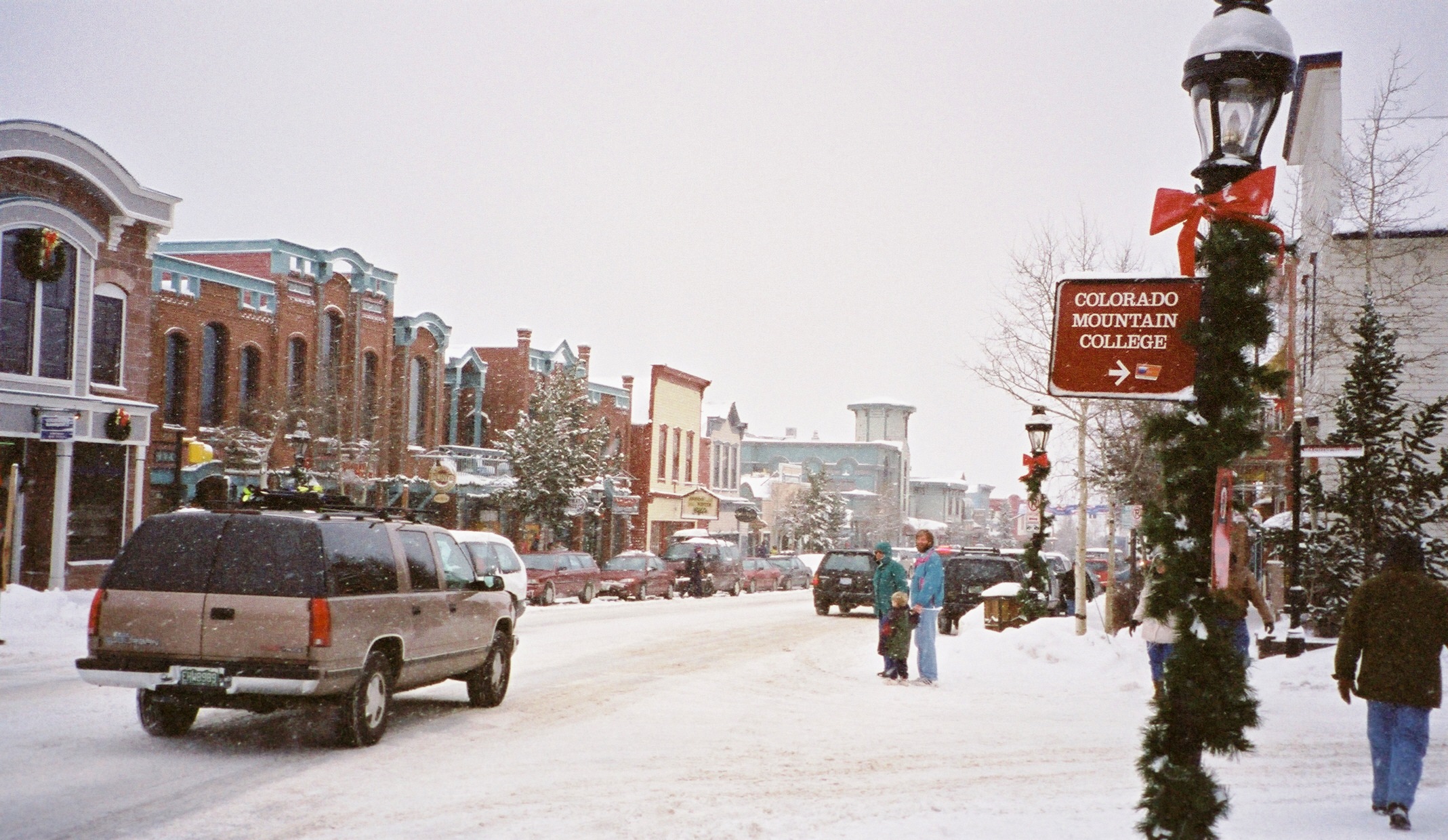
000022 (13)[Yeah Breck is CO not CA, about two decades back]

Crowdjustice

Wellicht zullen gevestigde belangen (weer ten onrechte … DNB-kneuterpietluttigheid-waarschijnlijk-uit-doodsangst-uit-onbegrip (hoewel dat d… terecht, en gewenst?) vs California State…) gaan waarschuwen voordat de vergelijking met de huidige feitelijke situatie voldoende fundamenteel en objectief is gemaakt, maar dit is natuurlijk een interessante nieuwigheid; crowdsourcing justice. En voor degenen die jury-rechtspraak iets engs vinden wat wat de boer niet lust, leze nee bestudere dit werk eens.
Plots komt zo veel samen… Vreugde alomom zo veel culturele vooruitgang.

[Edited to add: Zie de post van 25 augustus 2014…]

En dus een vrolijk:
000013 (17)[Kan dubbel zijn, swa]

COPE a Nope

Hm, this piece seems to miss the point entirely…

Because the move to BYOD had/has (sic) nothing to do with operability. But all with power. And speed. COPE will be much more of the same, but with an even more inexplainable awkward speed/flexibility/functionality trade-off. With nothing of (e.g., the European current and forthcoming Regulations’ and practices’) privacy in mind, just pipe dreams of regained totalitarian control. Heh, if that floats your boat, everyone’s including or except your boat has left the harbor because ships are safe there but it isn’t what ships are for. If you can’t see the analogy … you’ll be sunk.

And then, there’s a pic:
000004 (5)[Great for learning gaff rigging but for serious yachting…?]

Jargon watch

Out of band from the Wired / Tired / Expired series, an in between jargon watch notification:

Wall huggers

The dorks in public places sitting against a wall near a power plug, not comfortably on a chair at a desk or so, in order to get juice for their cell phones. As in this clip, and others, and in your environment, too. Don’t become a hobo.
Nopenopenopenope I know it isn’t as new even, but some might have missed it. Hence the notification…

After which I leave you with:
DSCN9971
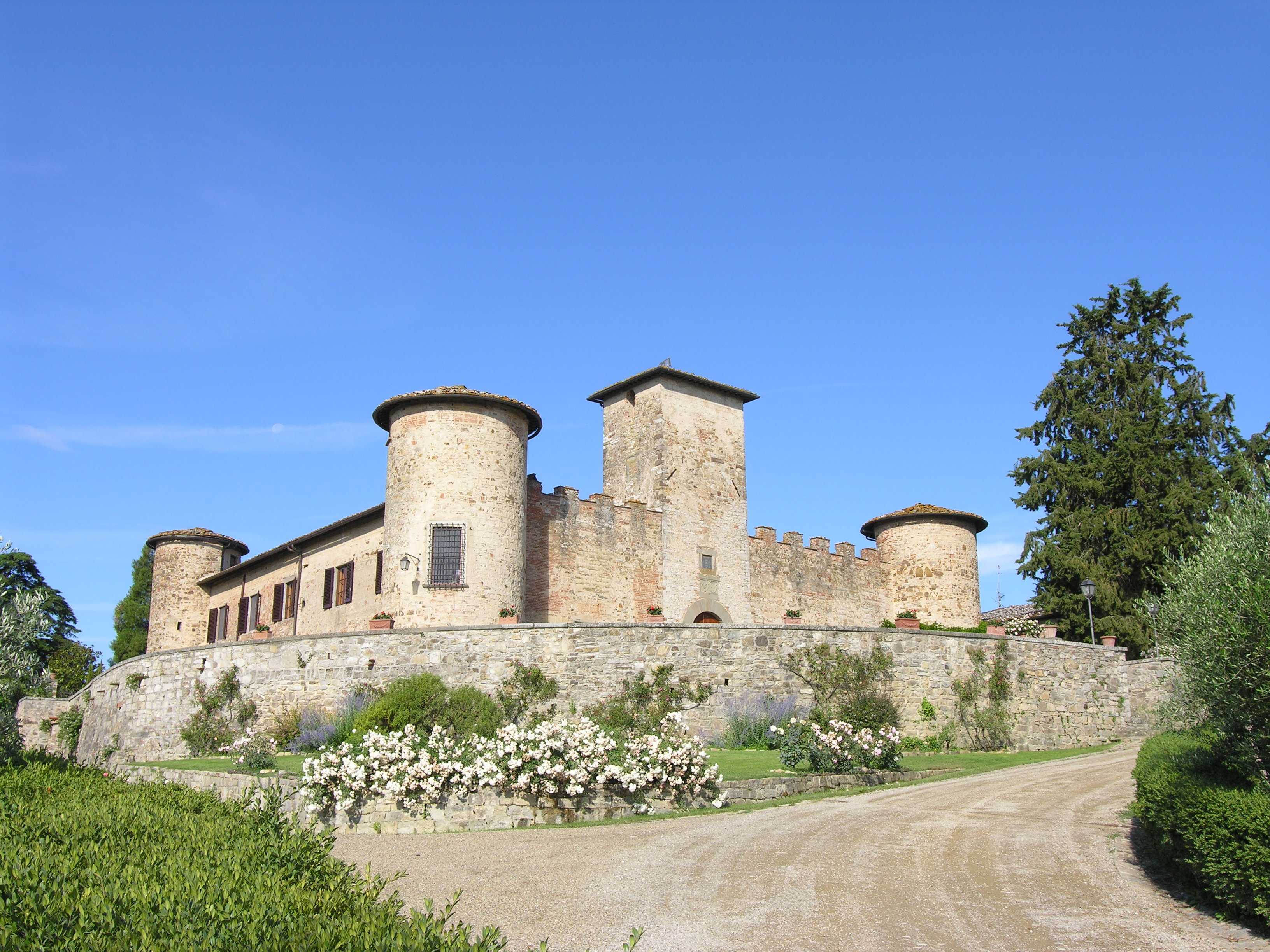
[Gabbiano castle, just a B&B of sorts]

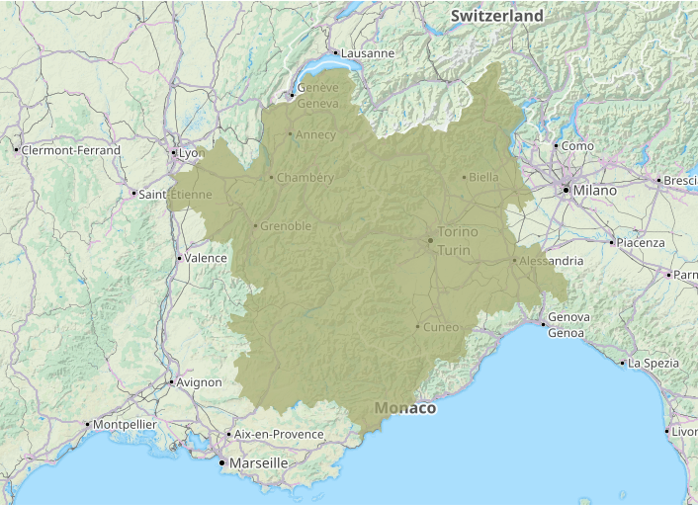
Quatorze Juillet / Jan Salie travels Europe

Not only because
72p4whq
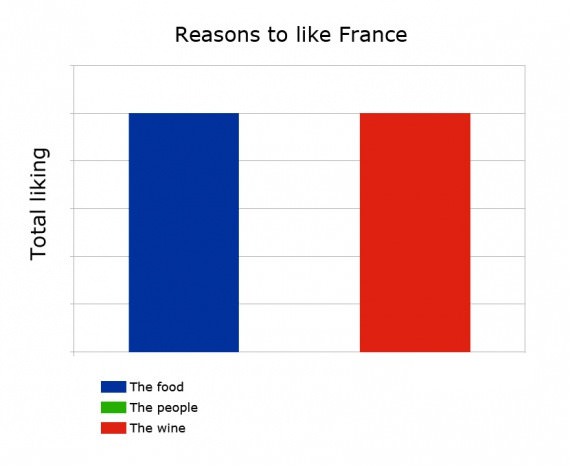
[Hm, may not be completely true, personally]

But rather because: Where’s some countries’ role in cultural development ..? Or is all of Europe into the Jan Salie spirit ..? [‘John stick-in-the-mud’ on the worst side]

Of course the Usual Suspects Dr. Nein and Dr Antithesis (as here and here) may revel in the bleakness of all our future(s). But many have taken the blue pill, and rather be cheered by ‘progress’. Which, after übermanufacting Germany incl. its marks (rest of Europe) lost speed a couple of years ago (by the luck of the USofA and its European protectorate mainland Britain in splendid uncontinentality) having left room for the manu side to flourish), no other country has picked it up. Sure, Italy tried but created an Alfasud. Spain tried, but destroyed a masterpiece (??) to create a half-empty glass times two, business function-wise.

And then, where’s France; the France of Versailles, Fontainebleau, and the Viaduc de Millau? Just a few like @jattali keep the flag up. The rest… Or has it finally dawned on the simpler part of the community that current-day Franks are secure at their Île-de-, need no more frenzied power outreach to be secured at the core, and the countryside is happy to stay as-is, and information-, control- and hence money centralization / concentration [note that there’s a difference, but not now; for later] are still tied to physical centralization / concentration even when now, the New Economy is changing to (back to times immemorial of) rural, unconcentrated, networked, cooptive cooperation down at the sub- and subsub-centres spread out throughout the realm? Why not reinstate the Breton Parliament, and similar regional institutions, when in times of ever diminishing information transaction costs any superfluous power centralization is redundant ..? Light control is possible, and preferable, if the borders can function as buffers, as they do. The sublimations of concentration, as functional as they were for a long time, lost their heads and so did France – but the latter not sufficiently yet, even more so given latest (decades of) developments. Now, apart from sublimination of the apex, sublimination of the vertical structures is in order, for flexibility, diversity (as driver of innovation), and ‘freedom’.
To leave room for cultural progress. Beyond mere Grands Projets (sic). Into a cultural bloom. Or will France, French, continue on its road [and be followed by England et al., USofA et al.,] when China, (and others ..?) come to dominate?
We’re still in Europe, aren’t we? Revival comes from neglected corners.

I’ll leave you with a pic…:
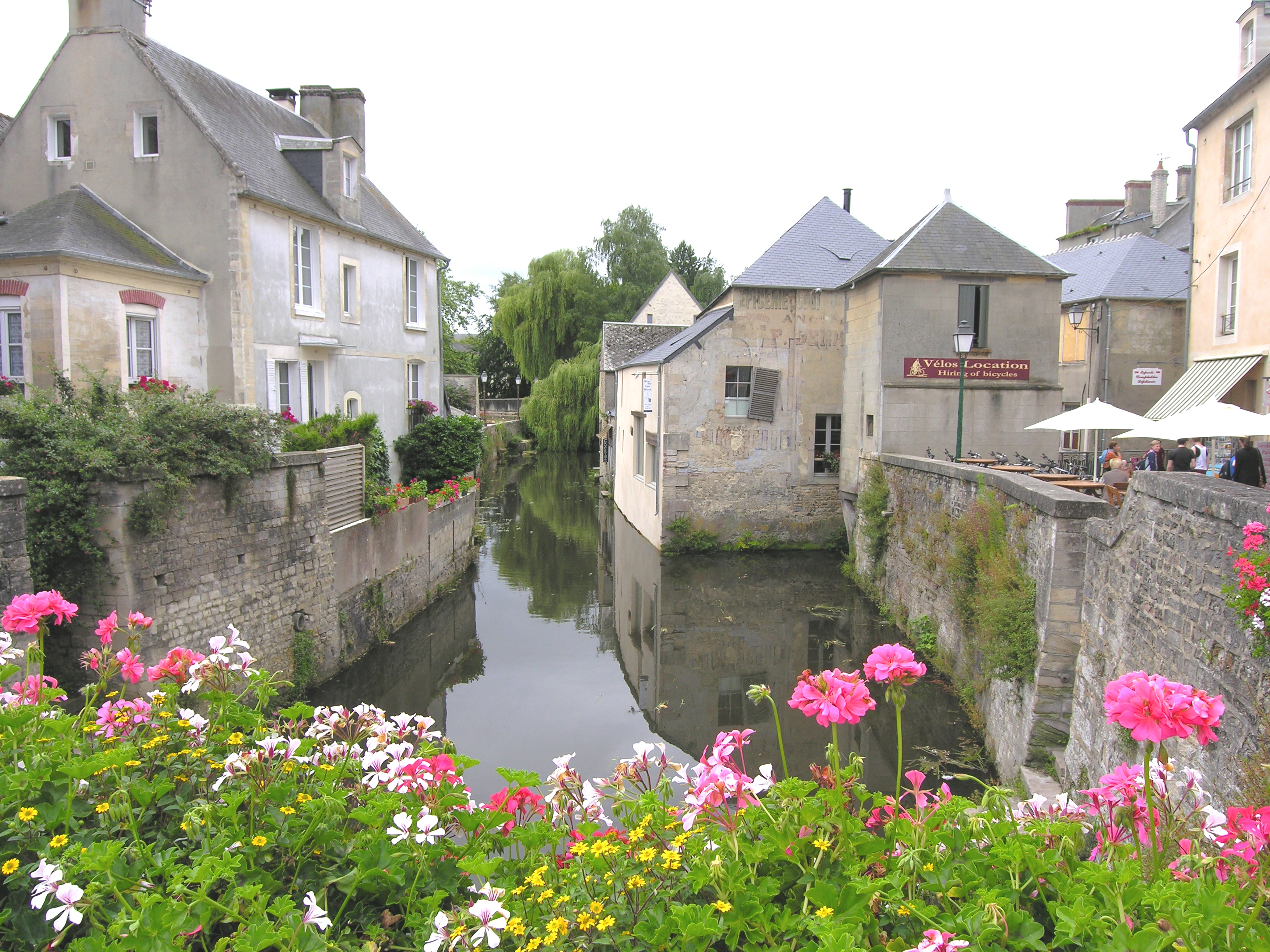
DSCN8277[Because you caen! (err, Bayeux) Long ago, they took the jump – to around the world]

Zwarte Lijst ..?

Euhm, als een ‘contract’ zo is opgesteld dat deze bedoeld is om te misleiden of in ieder geval om onleesbaar te zijn voor een van de contractpartijen (en geen onderhandeling of wat dan ook mogelijk is; slechts een Hobson’s Choice), zijn dan niet betreffende clausules of het gehele contract bij voorbaat illegaal ..?

Zoals in (dank @ictrecht):

Book by Quote: Smarter Than You. Think.

Yet another ‘Book By Quote’ then. A full of … wisdom one again, for once.
An attempt to subjectively summarise a book by the quotes I found worthwhile to mark, to remember. Be aware that the quotes as such, aren’t a real unbiased ‘objective’ summary; most often I heartily advise to read the book yourself. This one, for sure – though don’t be uncritical while going through the many bends in not-so-water-tight logic ..!

So, this time: Clive Thompson, Smarter Than You Think, Williams Collins 2013, ISBN 978000742777-2.

“Human strategic guidance combined with the tactical acuity of a computer,” Kasparov concluded, “was overwhelming.” (p.5)

We’re all playing advanced chess these days. We just haven’t learned to appreciate it. (p.6)

Harold Innis – the lesser-known but arguably more interesting intellectual midwife of Marshall McLuhan – called this the bias of a new tool. Living with new technologies means understanding how they bias everyday life. (p.8)

As electricity became cheap and ubiquitous in the West, its role expanded from things you’d expect – like nighttime lighting – to the unexpected and seemingly trivial: battery-driven toy trains, electric blenders, vibrators. (p.8)

… scanned the brains of new mothers and fathers as they listened to recordings of their babies’ cries. They found brain circuit activity similar to that in people suffering from obsessive-compulsive disorder. (pp.14-15)

Marcel Proust regarded the recollection of your life as a defining task of humanity; meditating on what you’ve done is an act of recovering, … Vladimir Nabokov saw it a bit differently … “I confess I do not believe in time.” (As Faulkner put it, “The past is never dead. It’s not even past.”) (p.23)

We face an intriguing inversion point in human memory. We’re moving from a period in which most of the details of our lives were forgotten to one in which many, perhaps most of them, will be captured. (p.28)

OK, first a pic, than a moar tag; and the rest – a long rest.
DSCN0057
[Yup, Fiorentina.]
Continue reading “Book by Quote: Smarter Than You. Think.”

Segregatie in werk

Meer State-of-the-Art Watson-like Big Data Analysis is niet te krijgen (a.k.a mijn hersens), leveren een opvallend patroon, ‘dus’ is het waar:
Vacatures voor ‘control’-gerelateerde functies (van modellenHAHAbouwers via ‘controlHAHAHAHAHAHAHAHAHAlers’ tot auditors) lijken steeds meer in de Provincie te vinden en steeds minder in de grote steden (a.k.a. Amsterdam). In de laatste duiken überhaupt weinig vacatures op, omdat de werkelijk nieuwe economie niet op zo’n formeel mechanism leunt; via-via- en informele cooptieve coöperatie drijven de innovatie en werkgelegenheid.
Áls dit in cijfers wordt gevangen, zullen die de verschuiving onderschatten omdat de nieuwe ontwikkelingen in hun diversiteit juist zo veel minder in hokjes te stoppen vallen. De anti-these van al wat vastloopt, van al waarin opkomende economieën (en voorheen science-fictionachtige binnenlandse sector’lets) juist níét in roeren en daardóór kracht hebben…

OK, OK, een plaatje tot slot:
DSCN6305
[Klassiek onklassiek]

Quick note: Privacy is about Info, not Data

Just a quick note to drop it, here, already before my holiday. May elaborate on the subject later, in a much extended form. The idea being:

Privacy is about Information, not about Data. Privacy sits on the divide, or jump, from data to information, as in this previous post.

Data doesn’t mean a thing. And yes there’s use in protecting data, but that’s only part of the picture. To discuss ‘directly or indirectly identifying data’ one needs to understand the value, and information, in data combinations. So you’ll have to keep the information value in mind always.

Which also means that if you discuss topics with various categorically-not-understanding-anything-other-than-bonuses stakeholders under the common header of personal data protection, you have lost connection to them. By giving up before you started; they will not ‘get it’. They know ‘data’ only in the abstract, as something to stay away from. If you don’t keep the (distinction AND connection) in mind and exepelainify it extensively ‘externally’, you lose.

Same, if you don’t bridge the gap ‘internally’ in your in-group. Only when an exhaustive search for all meaning of any combination of data has been completed, would one know what data elements could possibly be necessary for identification and hence are privacy-sensitive.
This would probably set the threshold very low indeed. But hey, that’s your problem right there. Offer perfect protection of get sued into oblivion.

I’ll return on this. Thank you:
20140306_151133[1]
[Kei-good design.]

Maverisk / Étoiles du Nord