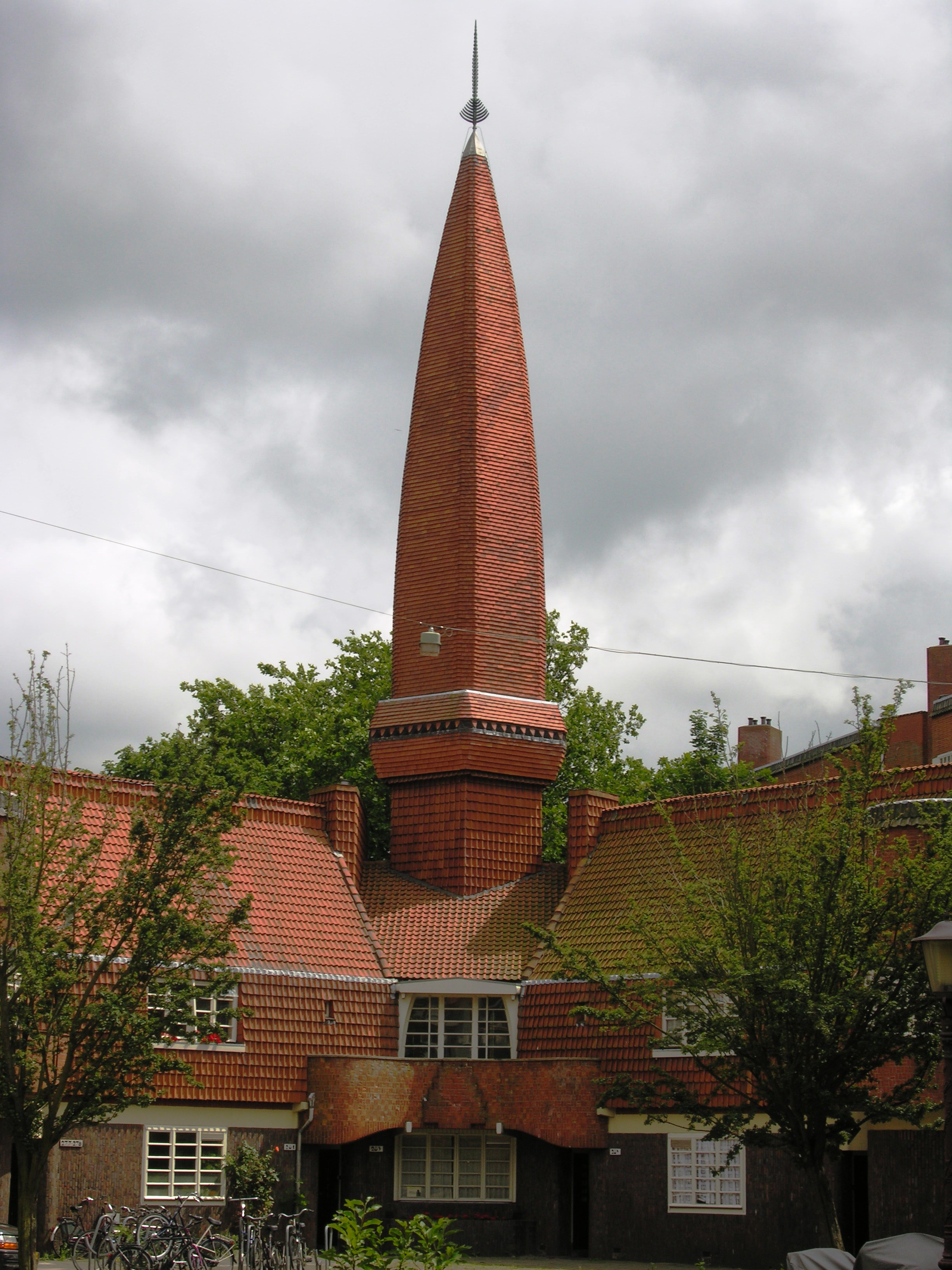
Pro-nun-ciation

OK.
We already had the CGEIT title certification. Which is pronounced in Dutch as ‘See goat’.
Now let’s add CSX. Pronounced by all as ‘See sex’.

Oh jolly! One is ignorant, XOR one is prepubescent.
Either way, #fail – big time. Let alone for content. This, if you’re still a believer.

You still deserve?
DSCN6161
[To be in your stroller; Nancy city park]

Some less than 1% spenders

Just dropping it here; not all of the 1% are big spenders. Some have human motives to live differently. Now; how to get the others to contribute ..?
… Or; how to get the unspent and the uncaringly spent, to contribute back to society …?
Never mind. Read this.

For now, this:
DSCN5135
[Spent other ways, probably more efficiently contributing to overall well-being!]

Dump’let

Just a little dump’let of Inspirational tweets:

That’ll be all… Pics will return tomorrow.

The Divide(s)

Surely I’m not the only one running up against total resistance (i.e., no discernable millimeter move) when one would want to even discuss disruption in industries hitherto untouched.
Like the financial industry. Really, the mindsets haven’t opened up to the 21st century at all. Despite in-roads by trading algorithms, something some even called a ‘financial crisis’ or so, and Bitcoin i.e. block chain trust.
But hey, at some point you just want some everyone to have their Kodak moment, right ..?

Maybe there’s three kinds of people:

  • The kind that embraces the New for what it is and brings; the innovators of course and the early adoptors. Ballpark: 10%
  • The early and late majority that tag along because everybody is doing it. About 60-70%.
  • The Laggerds, the retards (qua brain openness and movement…), the reactionary. The remainder 30-20%.

That’s not new. But the percentages may be different for various kinds of innovations and disruptions. The point being: How do you know where you are, if you’re in the third category and/or before the disruption strikes ..?
Yes, I do understand the flip at the other extreme, where Morozovlike second thoughs about what We as a global society would want. But that’s way beyond the frightened closure of mind that shrinks and shrinks consciousness (both meanings) ever further. Where you’d want to, metaphorically hey keep it real, bang someone’s head against the proverbial beamer display to make ’em see – with the contrary effect of disliking anything New even further in turn…

But OK. This was just an extensive RT of the LinkedIn link above… So, herewith:
DSCN2513
[Still standing (? as ‘t Schip), but gloom!]

P( Danger(You) > 0.5 ) ⇒ Shutdown( You )

For the Fellow Travelers among you, that still believe that AI (AGI or ASI) will bring us joy and an arcadic peaceful creative work-free life forever after, please do consider this here piece. And see that we’re only at the beginning.
[Oh for AGI/ASI reference, see here.]

Luckily, hopefully, the tide will turn. But there simply is no guarantee it will.

And on this most pleasant note, I’ll leave you with:
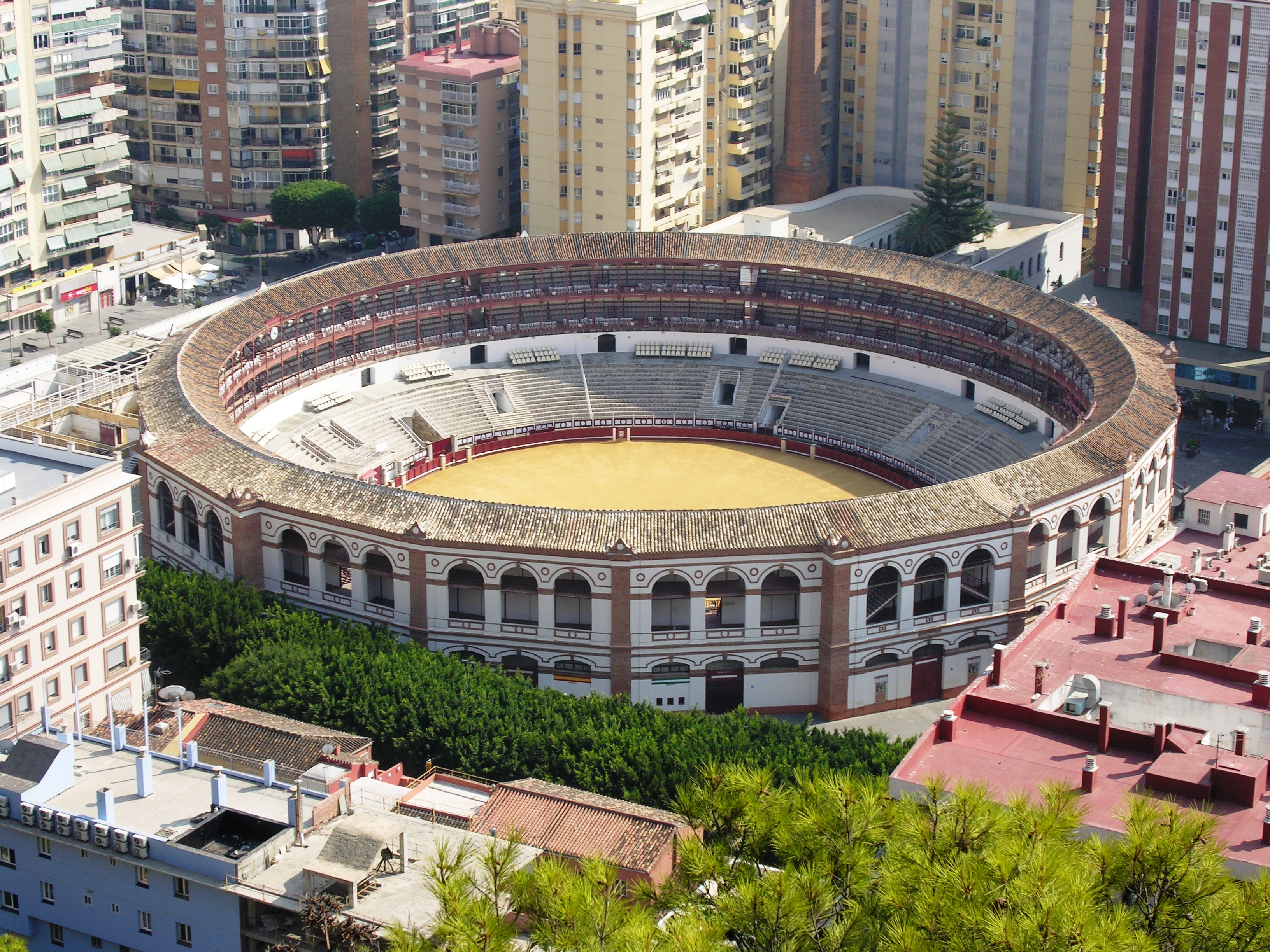
DSCN7386
[Málaga – but when the struggle is forbidden and ‘ratio’ quod non might seem to prevail, the Dark may roar and explode out of its confines in utterly destructive ways. As in this previous post…]

His Story

Oh yes just to drop it like that. On history and the importance to know it. So that you wouldn’t declare just anything to be a historic, unique event like a launch of some crappy piece of software (if it’s good, you launch way too late!) we currently call an App – which might within a decade be a laggard petit bourgeois expression.
Even in historic perspective, a great many Unique events are far from it, by light years. E.g., the Iron Curtain in Europe. Anyone remember Tordesillas ..? And the Great Wall of China, similar? And…, and …? Or, as the n-word has become an absolute no-no for anyone of other colour, what history does it refer to ..? Don’t you use the s-word now, as that stigmatises a people that were so deep into that that their people’s name became the Anglo-Saxon and much afterwards English word for their very fate. Hence, to use the s-word now, singles out that populace and degrades them much more than the s made by their own peoples (sic!), also through the centuries around the world (sic) without much complaint by almost all affected then. False claims for preeminence by attribution ..?
[Not to disclaim the dismal, atrocious treatment many past generations received. Should be remembered – all]

To return: Claiming uniqueness of events, or forging history to claim its compensations for ills not received (in person), makes one look truly stupid. Widening the gap between true unique-historicity and one’s own insignificance in stead of joining them. So stop making yourself the laughing stock of the masses, you clown (by innate character, not by role – an honourable one).
Or I’ll claim my ancestors were driven out of Africa by the ones still there.
The ones still affected today, however…

This discussion will continue, for a great many centuries IF humanity allows itself that much time. Therefore, now:
DSCN7306
[Defense / retreat ..? Andalucía]

UnEllsberging your change

Somehow it only recently, and suddenly, struck me that the resistance to change that we see so pervasively in ‘organisations’ is indeed due to people’s very human resistance to change as one might loose some things held dear – for whatever reason.
The latter, obvisouly often stated in terms of losing something Known for replacement with Uncertainty even if prospects and rational risk calculations might indicate huge improvements achievable.

The crucial point being: the risk calculations may be rational but apparently aren’t emotional. The striking thing mentioned above, being that we need to integrate Ellsberg’s Paradox much better into our change approaches and programs… Indeed, rational calculations will not work in a world where humans function like described. The ‘future’, uncertain world must be described in terms of the same absolute certainties as the world we experience in the now/past [as the now of now is the past in an instant], just as perfectly credible also in the completeness of its pro and con arguments. Since not only do we exactly know the devil (our, e.g., work environment) we know because we have experienced it in full, hands-on, but also because we have quite a rosy picture of that devil when our brains forget nasty stuff easier than friendly bits.

Now go study all of the linked wiki – it has tons of good info, both explanatory and as pointers to slurp it all up into practical solutions.

And, for a glimpse of a better future:
DSCN4984
[They’ll come when the (grossly overstated) benefits are high enough and/or the left-behind is dismal enough; NY]

Not much on the books

Soo… We have been hearing for years, maybe for a decade already, that print books were completely dead, either already or within a couple of years … And now, the reports are that ebooks have an whopping … 15% market share. No, no typo, not 85% or 95% or even 105%, but just 15%.
So much for the Through of Disillusionment

What if … what if subsequent ‘trends’, that are a great many in number, since, would have the same exponential quod non growth rates hence amount to not much ..?
Yet … As ‘exponential’ i.e. sigmodial-at-best growth goes, big blots on the hype-radar but under the actual radar of real life?

A lot of lapidary references. Hence, for now I’ll leave you with:
DSCN1147
[Old but ‘still’ very fashionable in its entirity, London]

Maverisk / Étoiles du Nord