Blog

Mind posting/reading

This new Mindmeister feature looks interesting:

Except for two things:

  • It will create a bucketload of ‘Tourettists’ at all sorts of public venues (coffee shops, terraces, the beach, side walks, etc.) when all sorts of, mostly, self-inflated hipsterlaggerds start recording their every doodle out loud instead of just clicketing it to Kik / Tele- / Instagram / WeChat / Line / Viber / Wicker / Threema / surespot et al. Yapping out somewhat loud will be even more annoying…
  • Who reads your doodles at the back side ..? Yes this is already an issue with like programs, in particular if (not when) one would use them to sketch outlines and content ideas for concepts / posts / columns / articles / books that might be construed to reflect a societal(ly -) or political(ly less wanted) opinion of sorts.
    Already now, of course, who reads what you’re working on, even when stored off-line ..? But this will become an even greater issue when even the slightest of your mind’s burps might get captured immediately by your own doing.
    How far till this turns into actual mind reading?
    Would someone (AI (yes, being someone), or human if you’re still in old school thinking mode) be able to immediately present you with position-changing tweets etc.?

Well, we’ll see… Singularity, here we come! We want you! After that, we’re done.

Book by Quote: Empire

Yet another ‘Book By Quote’ then. A full of … one again.

An attempt to subjectively summarise a book by the quotes I found worthwhile to mark, to remember. Be aware that the quotes as such, aren’t a real unbiased ‘objective’ summary; most often I heartily advise to read the book yourself. This one too, yes, but with the caveat that some of below’s quotes have been included to demonstrate the deconstructionalist mumbo jumbo you may have to wade through…

Oh and for the record; I like the book, and major parts of its analysis, but certainly not all of it…

Here we go then, with Negri & Hardt’s Empire, Harvard UP 2000, ISBN 067425121-0:

Every tool is a weapon if you hold it right. (Ani DiFranco) (p.0)

Putting this society to work and ensuring obedience to its rule and its mechanisms of inclusion and/or exclusion are accomplished through disciplinary institutions (the prison, the factory, the asylum, the hospital, the univeristy, the school, and so forth) that structure the social terrain and present logics adequate to the “reason” of discipline. (p.23)

Power is now exercised through machines that directly organize the brains (in communication systems, information networks, etc.) and bodies (in welfare systems, monitored activities, etc.) toward a state of autonomous alienation from the sense of life and the desire for creativity. (p.23)

By contrast, Deleuze and Guattari present us with a properly poststructuralist understanding of biopower that renews materialist thought and grounds itself solidly in the question of the production of social being. Their work demystifies structuralism and all the philosophical, sociological, and political conceptions that make the fixity of the epistomological frame an ineluctable point of reference. (p.28)

The absoluteness of imperial power is the complementary term to its complete immanence to the ontological machine of production and reproduction, and thus to the biopolitical context. (p.61)

Kant throws us back into the crisis of modernity with full awareness when he poses the discovery of the subject itself as crisis, but this crisis is made into an apology of the transcendental as the unique and exclusive horizon of knowledge and action. (p.81)

Whereas Foucault’s analysis is vast in its diachronic breath, Weber’s is powerful in its synchronic depth. (p.89)

Disobedience to authority is one of the most natural and healthy acts. (p.210)

The capitalization of realized surplus value requires that for the subsequent cycle of production the capitalist will have to secure for purchase additional supplies of constant capital (raw materials, machinery, and so forth) and additional variable capital (that is, labor power) – and eventually in turn this will require an even greater extension of the market for further realization. (p.225)

The centrifugal movement of production is balanced by the centripetal trend of command. (p.297)

And a picture to lighten up:

DSCN7963[Reich]

Continue reading “Book by Quote: Empire”

St. Juttemis is niet van gister

Er zijn mensen, zeker ook buiten het Vlaams-Nederlandse gebied, die denken dat St. Juttemis niet bestaat. Misschien hebben ze gelijk. En er zijn mensen, voornamelijk binnen het Vlaams-Nederlandse gebied, die denken dat St. Juttemis van gisteren is. 17 augustus. Voor de laatste een hmmmm…:

Mogelijke oorsprong
De volledige uitdrukking is met sint-juttemis, als de kalveren op het ijs dansen. Jutte zou een koosvorm zijn van Judith, de bijbelse heldin, van wie de naamdag op 17 augustus zou vallen. (In werkelijkheid valt haar naamdag op 24 maart en 7 september.) In augustus ligt er uiteraard geen ijs, en kalveren kunnen niet dansen, vandaar de betekenis nooit. Deskundigen op het gebied van volkscultuur menen dat dit verhaal uit de lucht gegrepen is en wijzen erop dat noch de heilige Judit noch de heilige Jutta haar naamdag op 17 augustus heeft.

Op 17 augustus wordt wel de naamdag van Guda, of Guida of Jutta, van Arnstein gevierd. Verder bestaat er een heilige Jutta van Sangerhausen (5 mei). Zij kwam uit een adellijke familie in Thüringen en overleed in 1260 op weg naar het Heilige Land. Hoe een lokale Duitse heilige terecht komt in een Nederlandse zegswijze is echter niet te verklaren.

Volgens een andere variant zou de naam een verbastering zijn van “jodenmis”; dat is dus nooit, want joden kennen geen mis.

De uitdrukking wordt in 1577 voor het eerst vermeld in de Kroniek van Roermond. De uitdrukking komt ook voor in de Dictionaire français-hollandais uit 1738 door Pieter Marin.

Varianten
Er is nog een andere niet-bestaande dag (die echter wat in de vergetelheid is geraakt): Sinternuit. Uit te spreken als : “Sinter-Noe-wit” of “Sinter-Noe-wèt” en betekent eigenlijk Sinter-nooit. Het Schip van Sinternuit komt zo aan zijn naam.
Als de klaver uit ‘t veld is
Te Pruimpaschen, als de kalveren op ‘t ijs dansen (Limburg)
Als de catte ganzen eyer leggen (F.A. Stoett)
Als daer twee sondagen in een week comen (ook F.A. Stoett)
Als de kiekens tanden krijgen (Vlaanderen)
Als de paus een geus wordt
Als Pasen en Pinksteren op één dag vallen is eveneens een uitdrukking voor nooit.

Spelling
Het woord sint-juttemis wordt met een streepje en kleine letters geschreven, omdat niet (meer) wordt verwezen naar een bestaande heilige. Het Groene Boekje kent het als sint-jutmis en sint-juttemis.

In andere talen
Bulgaars: На куково лято (Na koekowo ljato), in de zomer van een/de koekoek, verwijzend naar het verhaal dat de koekoek in de zomer verandert in een havik of sperwer, wat betekent dat er ‘s zomers geen koekoeken zijn
Engels: Saint Glinglin, een denkbeeldige Franse heilige
Frans: Saint Glinglin of Cela arrivera si le Carême dure sept ans (Dit zal gebeuren als de vasten 7 jaar duurt) of la Semaine des trois Jeudis (de week van 3 donderdagen).
Latijn: ad Kalendas Graecas, toegeschreven aan Suetonius, naar de Griekse kalendae, maar de Kalendae duidde een dag in de Romeinse kalender aan, niet de Griekse
Luxemburgs: Päifenneijoerschdag (päifen = fluiten, neijoerschdag = nieuwjaarsdag, nadere verklaring onbekend)
Roemeens: Sfântul Aşteaptă (“Sint Wacht”)

In de volgende talen wordt verwezen naar “Sint Nooit”:
Duits: Sankt Nimmerlein
Portugees: São Nunca
Esperanto: Sankta Neniamo
Pools: Na świętego nigdy of Na Święty Nigdy

[Wikipedia, ja.]
Now you know… En uiteraard deze:
20140813_155709[Dé Du dok, H’sum ja]

On how life is

For most of us, this is the metaphor of life. About how you aim for the best future, but are held back by accident and others are just more … lucky?
It seems. Because the article isn’t about how others may be in even slower queues, or the purpose of life. To make it to the (your) end. Not even the fastest. Or the zero impact of talent (which is a form of luck) or a bias for effort (same). But to not care.

Anyway, I’ll leave you with
DSCN5610[Queueing up, in a sense]

Buck shot or machine gun; assurance

With news about the slow but steady adoption of SBR everywhere (but mostly on related sites…), it suddenly struck me that with this Standard Business Reporting we see a move from single firings of buck shot to the machine gun age in assurance.

First, this:
DSCN4309[Yup, actual business lurking in the background. Date this pic]

By which I mean that until now, and for a short bit of time to come, accountants of the annual accounts certifying type issue(d) single assurance statements about a whole number of individual reporting items; in conjunction with each other but hence (!) also about all of them individually. The single blow of much data, in multiple but somewhat related directions.
Now, with XML, and XBRL as a common ‘subset’ taxonomy definer, and SBR on the back of that, we suddenly have the possibility of firing a great many but single data points in all sorts of directions. Where each bullet data point has to stand on itself, and be assured separately, aimed at, well, a single recipient.
Which makes a change necessary from the cover-all assurance of yesteryear to a single data point assurance thing of today. Where one cannot rely on context – or the context is re-created by a recipient collecting the data points they want …! – one has to provide assurance on … does this end up with a system-of-production assurance thing again ..?

Hope not. Since that is too far off of any real application. Since assurance of systems misses the vast enormity of details that matter when one wants to give assurance on … details. What then? Both. Both systems assurance overall, not circling on the ledgers only. And detailed assurance per data point or tinysubset. With SBR for target audiences as intermediate [stage?].

And, will we not need the ‘traditional’ assurance over annual reports anymore …? Well, we will, for sure as we seem to need more than ever true and fair views of how business in general was conducted, to establish credibility of management control for the (near) future. But then, such reports would be enormously much more qualitative by nature. To be qualified in a very non-quantified since by second opinion givers like accountants. [And/or others …!?] What lyrical prose we’ll have, what market push to cut the cr.p, what difficulty of accountants to grapple with the auditees’ sheer poetry enlisted to window dress.

Moar will follow, especially re single point assurance…

Milky Way of ratings

One for the holiday season: The star classification of hotels (in the Netherlands) will become meaningless. Or rather, nothing is mandatory anymore and there will be two standards to choose and rate by. So, we’ll have a Milky Way full of ratings.
And don’t come to me with the argument that user reviews dominated the skies (Internet) already. First, as the article states, tourists still pick hotels by their star rating; and second, user ratings with all their flaming and rigging have been even more useless than any official one. Though the latter was too simple to game, as well. E.g., having a ‘spa’ of sorts (basement with two massage beds and a puddle (-sized pool) upped any hostel with another star.

But then, what now?

Will restraint win at the end of the day, or will by that time the restrained have fallen back too much to cope and join the hyperinflation that came from below?

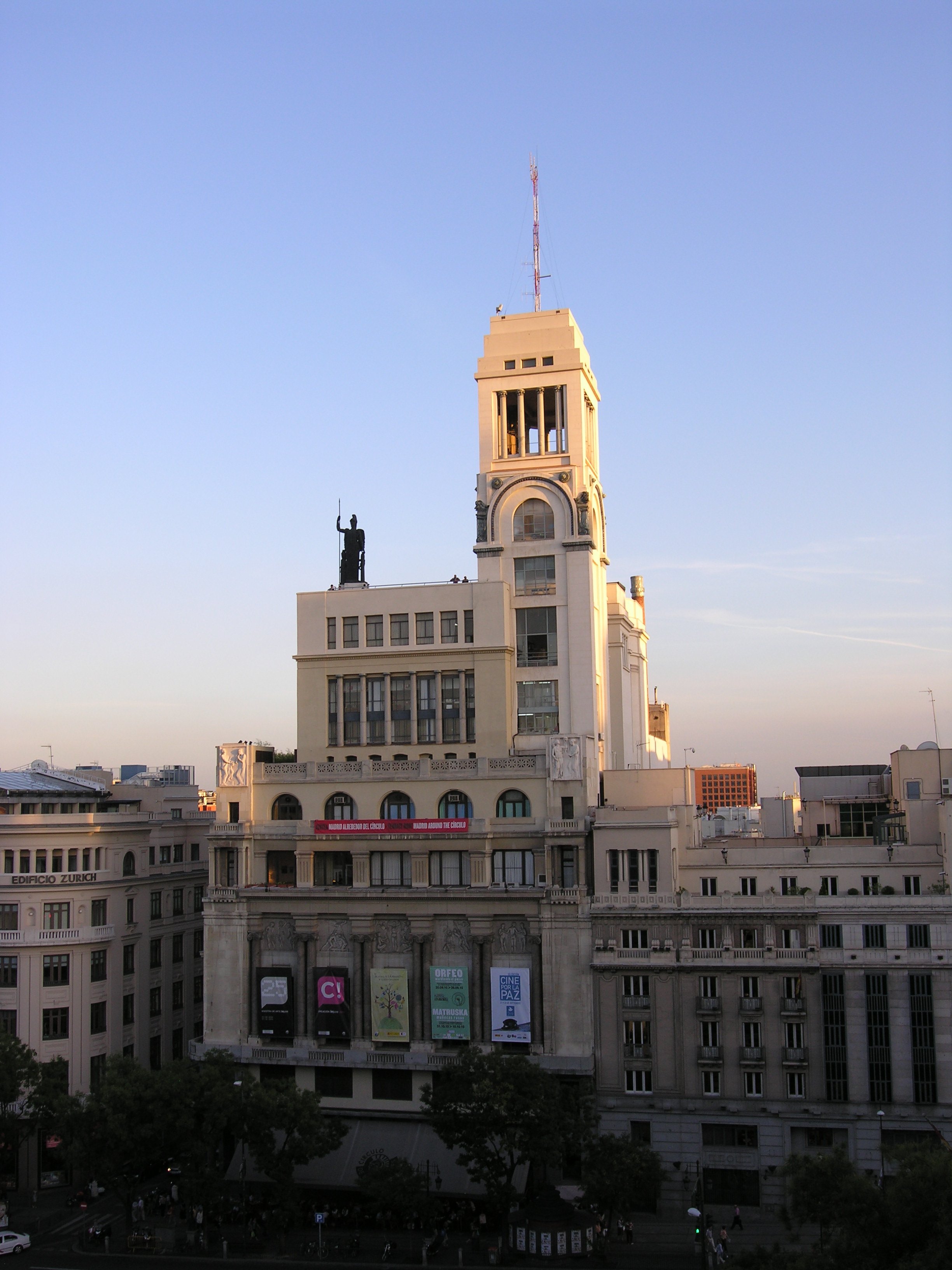
DSCN6030[How would you rate this view, if at all? Madrid]

Hopefully, CitizenMe will be trending

This may be a trend: Decide yourself what personal data to ‘sell’, and for how much. First step: Know what you ooze out. Hopefully, through this we’ll awake and implement Jaron Lanier’s dreams

And even before this post came out, there’s an [update] to do … With this.

And then, of course:
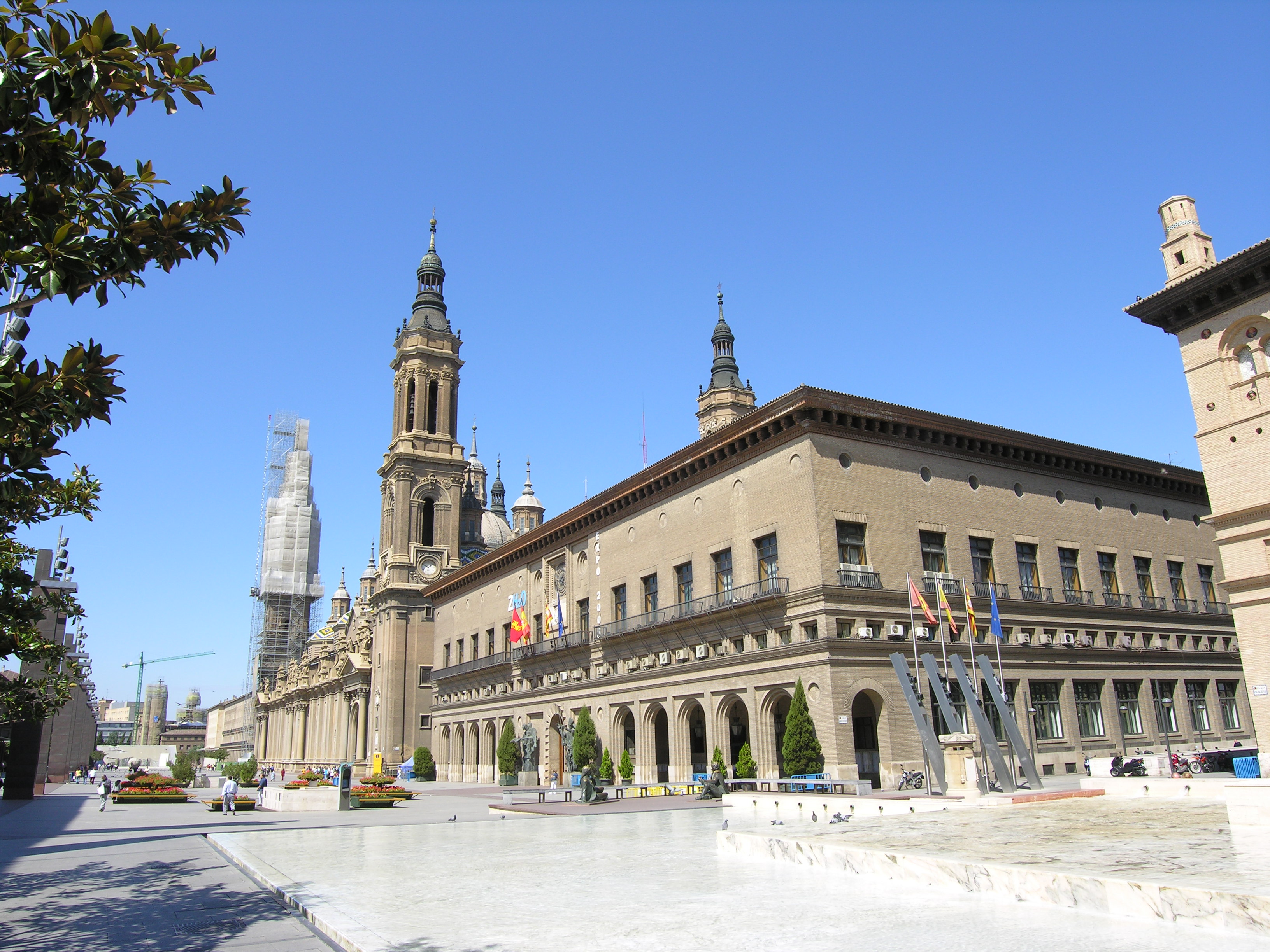
DSCN0088[‘goza just like that, for no apparent quality or reason]

IoTsec as expected

Yawn. A decade of humongous growth in Information security is coming. To tackle the likes of this.
Think of where the somewhat organized, somewhat budgeted, somewhat up to it corporate world now is. (With the public organization world lagging, seriously, on all counts.) Then think of what it would take to make the general public ‘safe’.

And then think of how many InfoSec professionals would be needed. Yeay! Indeed, as in:
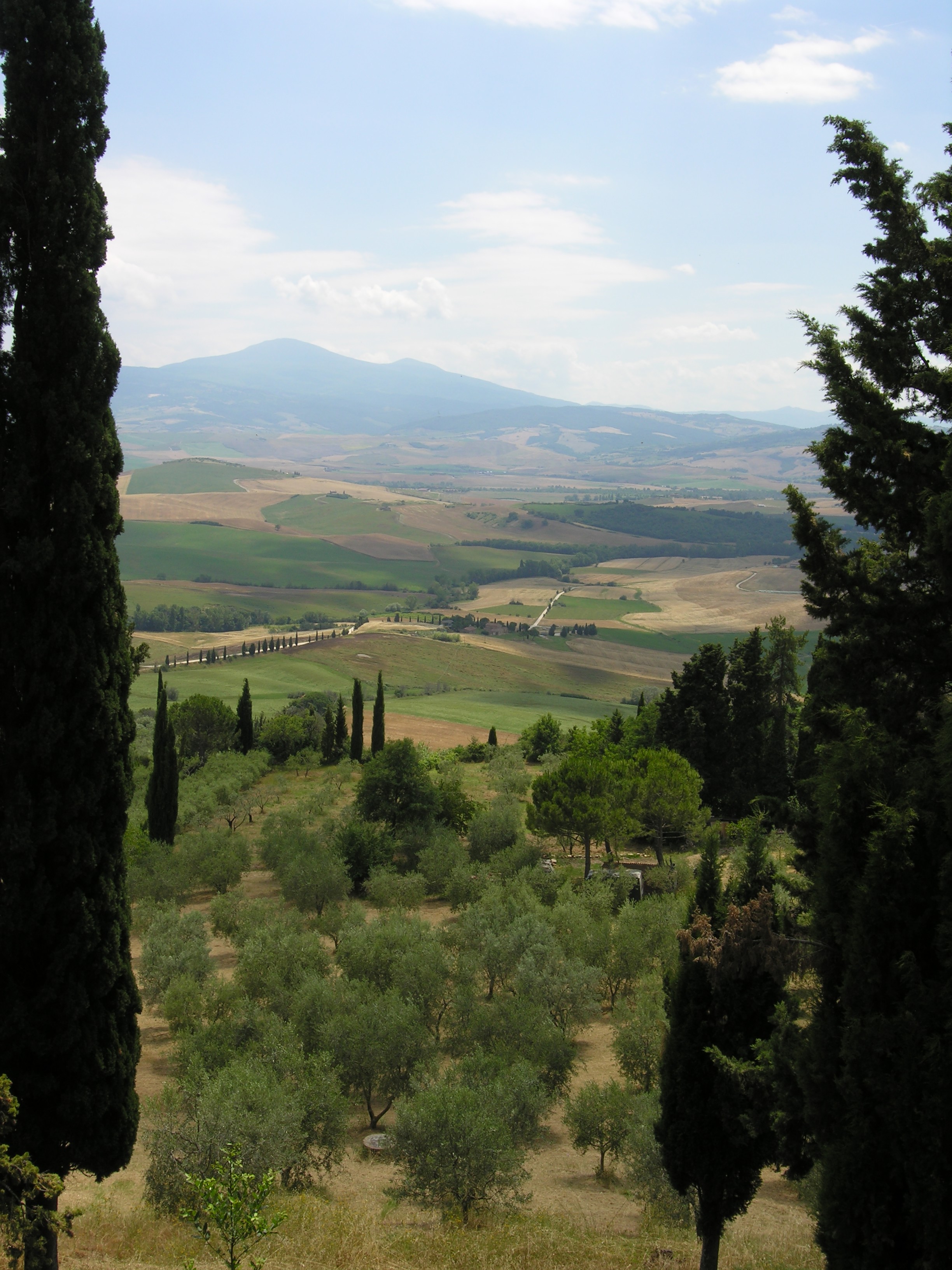
DSCN0449[Onto Val d’Orcia, as you spotted]

Wired / Tired / Expired, August 2014 edition

DSCN6269
[‘oliday snapshot, underadvertised]

So, here’s the August edition of my Wired / Tired / Expired jargon watch overviews, a mixed bag:

Not. I’m taking a holiday break on this. Will be back per September to hit you with my rhythm stick seriously important, and interesting, trends of the month.

OK, one then, in simple format:

Wired Tired Expired
Pivoting Pitching Business Idea without Plan
As ‘invented’ in 1985 or so. Now suddenly… some business booklet became popular ..!? You know, like in 2, 1, … minutes. Uselessly brief, indeed. Sigh. What did you smoke, now legally?

And, maybe, a link to some article that goes into the T and E problematics somewhat further… here.
Hence, any suggestions for that Sept edition ..?

Maverisk / Étoiles du Nord